
Inside Love on the Spectrum: The reality series now in its 4th season
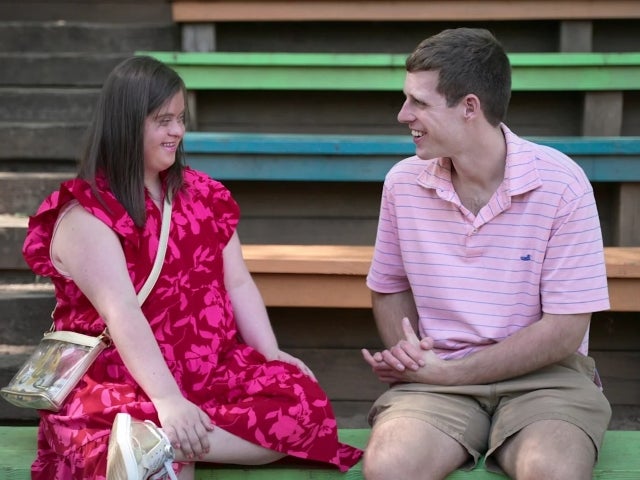
The search for love is universally challenging; it’s often overwhelming, occasionally soul-crushing, but ultimately hopeful. For those on the autism spectrum, dating presents addition-al challenges, from navigating social cues to managing sensory sensitivities in typical date settings. Love on the Spectrum, the award-winning U.S. edition of the Australian reality show based on the same name, premiered on Netflix in 2022 and focuses on exactly these experiences.
Created by Cian O’Clery and Karina Holden, the series offers an intimate look at the love lives of several autistic people, with some cast members stepping into the dating world for the very first time. In an era of heavily produced reality television filled with manufactured drama, Love on the Spectrum stands out for exposing genuine moments and real vulnerability between people. The series also highlights the supportive roles of family and friends while exploring each cast member’s unique personality, dreams and desires.
Bobby Salomon, a former Montrealer, Lower Canada College alumnus and McGill University graduate and now based in Los Angeles, was a senior producer on Season 1 of the show. While he initially had some reservations about the project having seen first-hand how exploitive some reality series can be, his concerns dissolved after watching the Australian version and learning about the concept. “It was the perfect blend of heart, drama and humour, which matches my sensibilities. At that point, I desperately wanted to be part of the U.S. version.”
Much of Salomon’s work involved connecting with potential participants and the broader neurodivergent community via videoconference calls, what he describes as his favourite moments. “Each conversation was different and special at the same time. I learned so much from all of them,” he said. Building trust was important, he explained, and the team emphasized safety, respect and participant comfort at every step.
Salomon’s time on the show also reshaped his understanding of neurodiversity; he came to appreciate the different ways people process the world. He believes the series challenges assumptions, particularly the misconception that all neurodivegent people are uninterested in romantic relationships.
With a Canadian edition of the show now underway, Salomon sees the expansion as a natural next step, one that not only reflects the growing appetite for the series but also offers a chance to highlight the cultural nuances between Canadian and American approaches to healthcare, social support and community.
Beyond Love on the Spectrum, Salomon is focused on projects rooted in empathy and resilience. His podcast, Mindframe: Where Shift Happens, explores stories of people overcoming trauma and supports a non-profit he is building around healing and community. He is also developing film and TV projects including a series inspired by quadriplegic ER doctor Dr. Dinesh Palipana, while completing a master’s degree in clinical psychology.